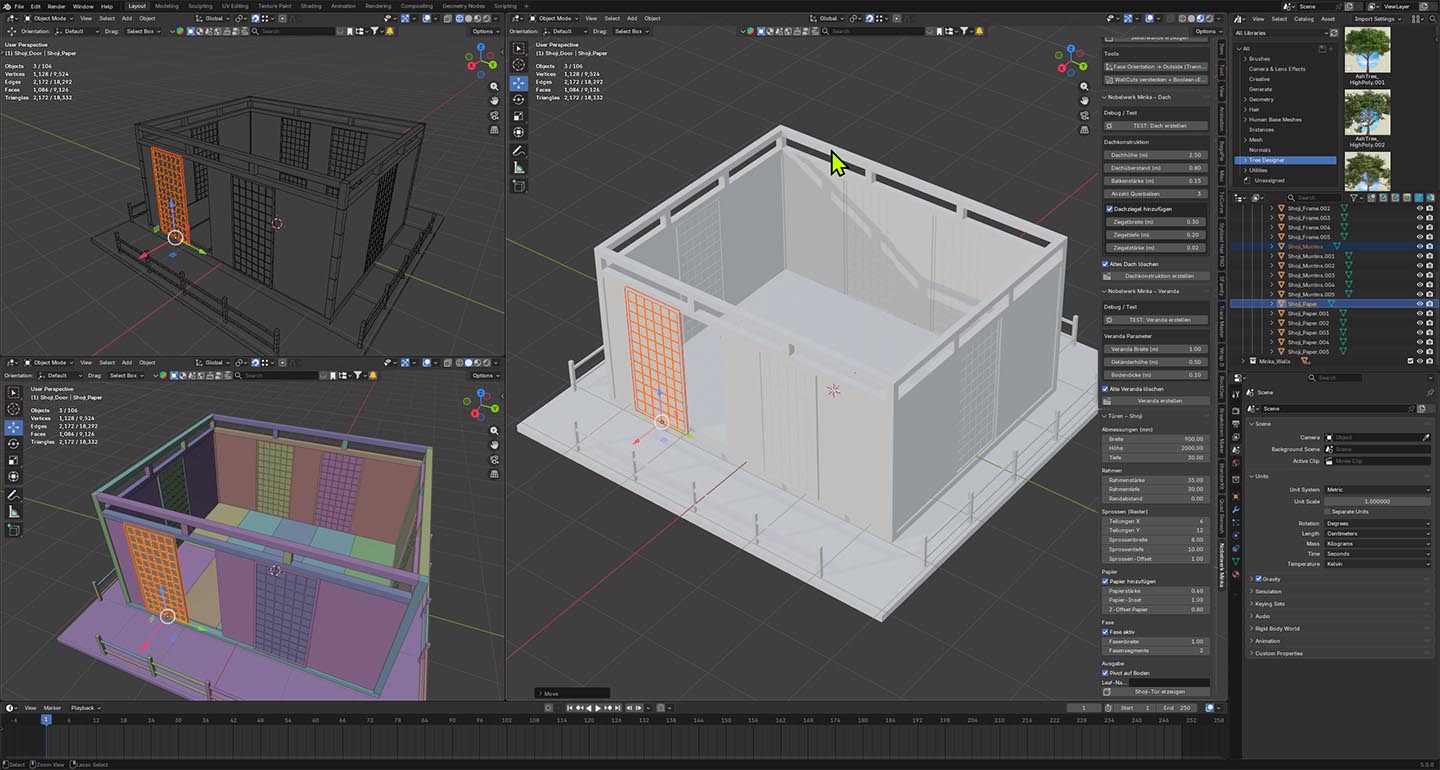
In 2025, I began developing Blender add-ons specifically tailored for architectural workflows. My goal was not only to improve efficiency, but to rethink how complex environments are created and structured. I focused on combining technical precision with intuitive usability. This step marked a shift in my journey—from creating visuals to building tools that support creativity and streamline the entire design process.
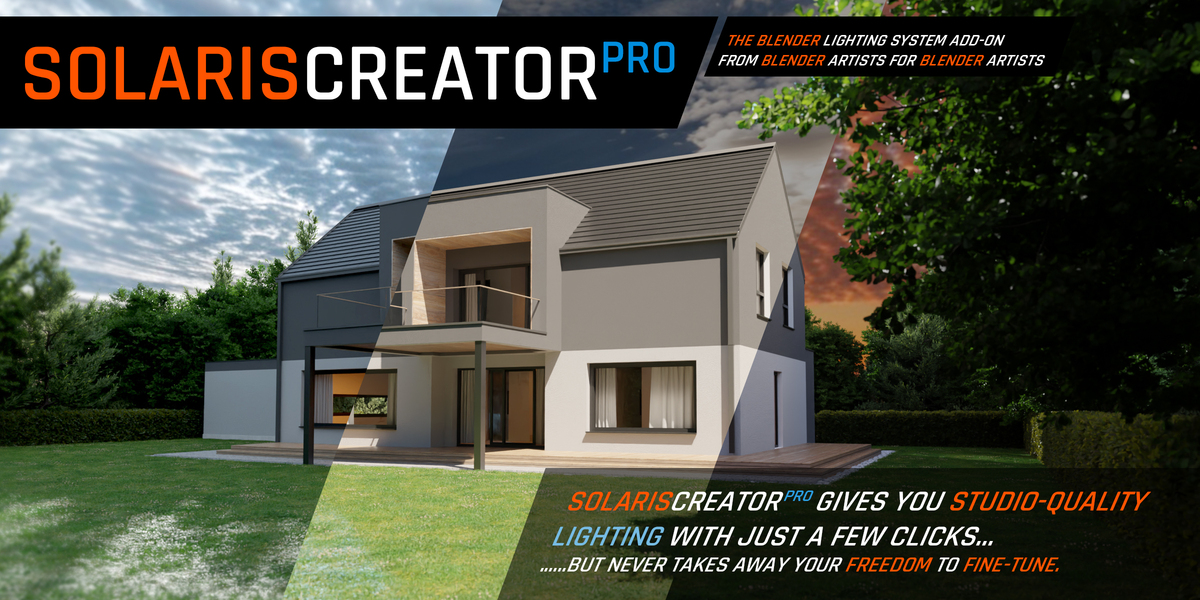
Throughout 2024, I dedicated my time to developing custom Blender add-ons for my own projects as well as for client needs. I found great value in simplifying repetitive workflows and creating solutions that feel natural to use. Learning and applying Python allowed me to translate ideas into functional tools. It was a year of building systems that quietly support the creative flow in the background.
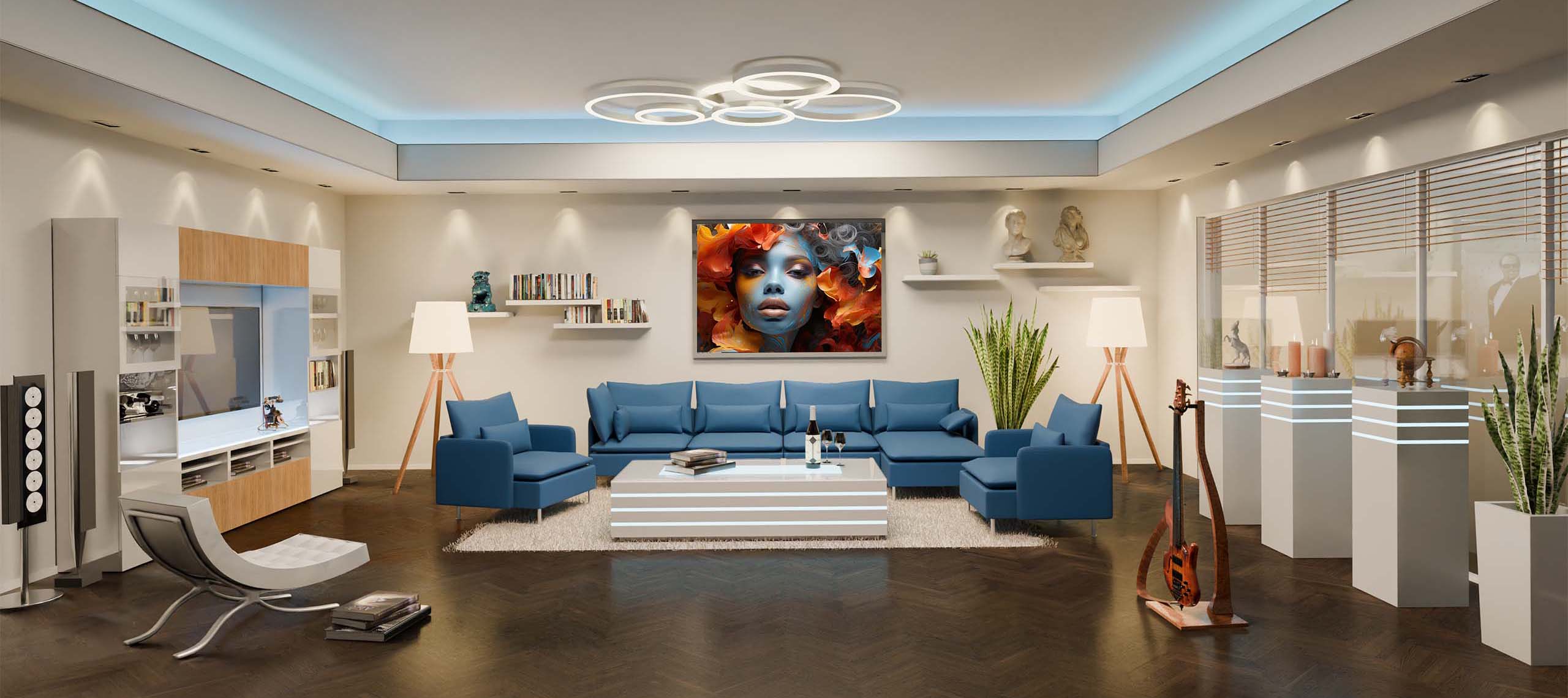
In 2023, I focused on expanding my artistic skillset. I deepened my knowledge in hard surface modeling while also exploring digital sculpting and character design. This combination helped me develop a more versatile approach to 3D creation. I began to better understand how form, detail, and emotion interact. It was a year of growth, where technique and creativity started to merge more naturally.
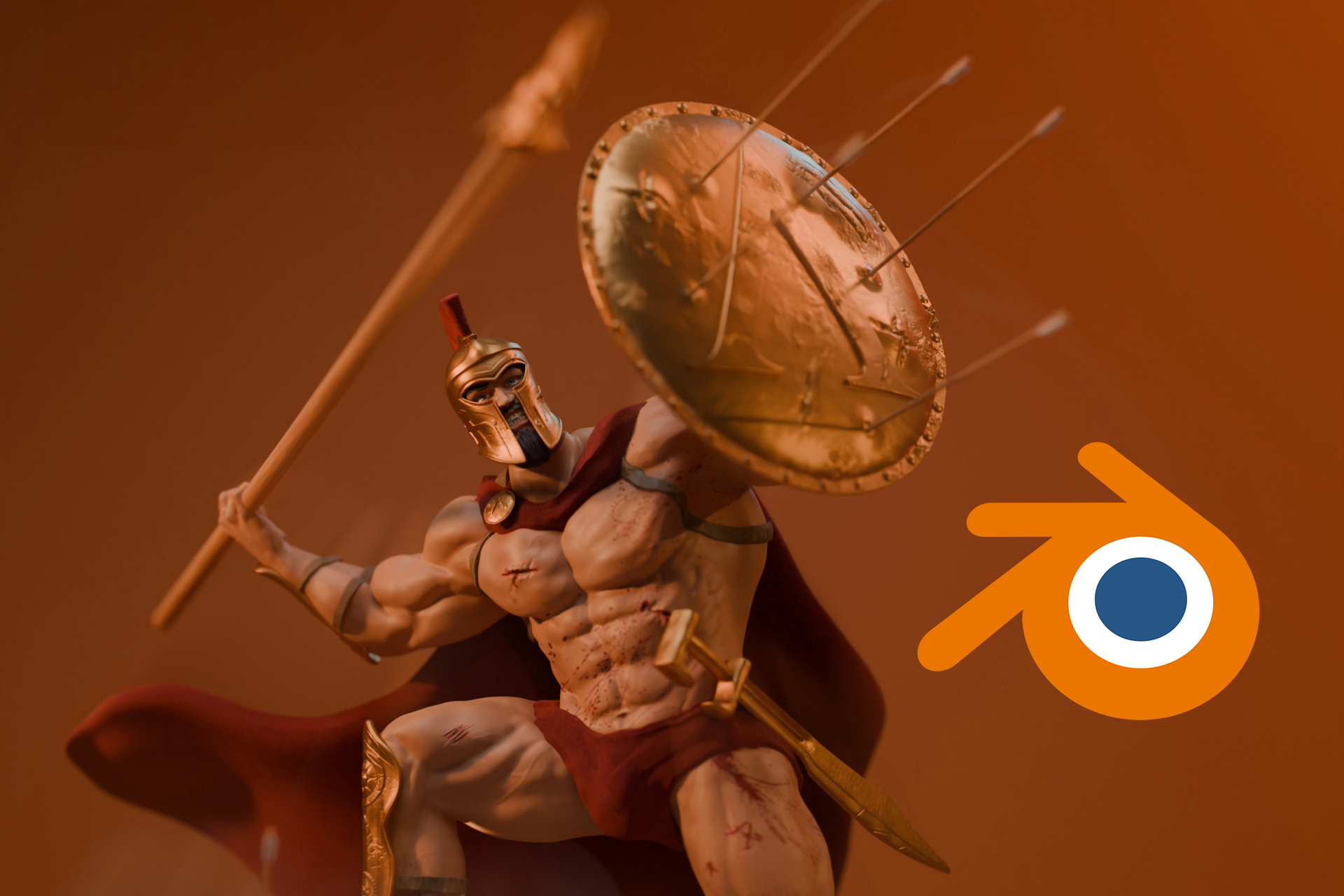
The transition to Blender in 2022 was an important turning point for me. Leaving familiar tools behind was not easy, but it opened up new possibilities. Blender offered flexibility, speed, and a modern workflow that aligned with my vision. I took the time to fully understand its system and adapt my processes. This decision laid the foundation for everything I am building today.
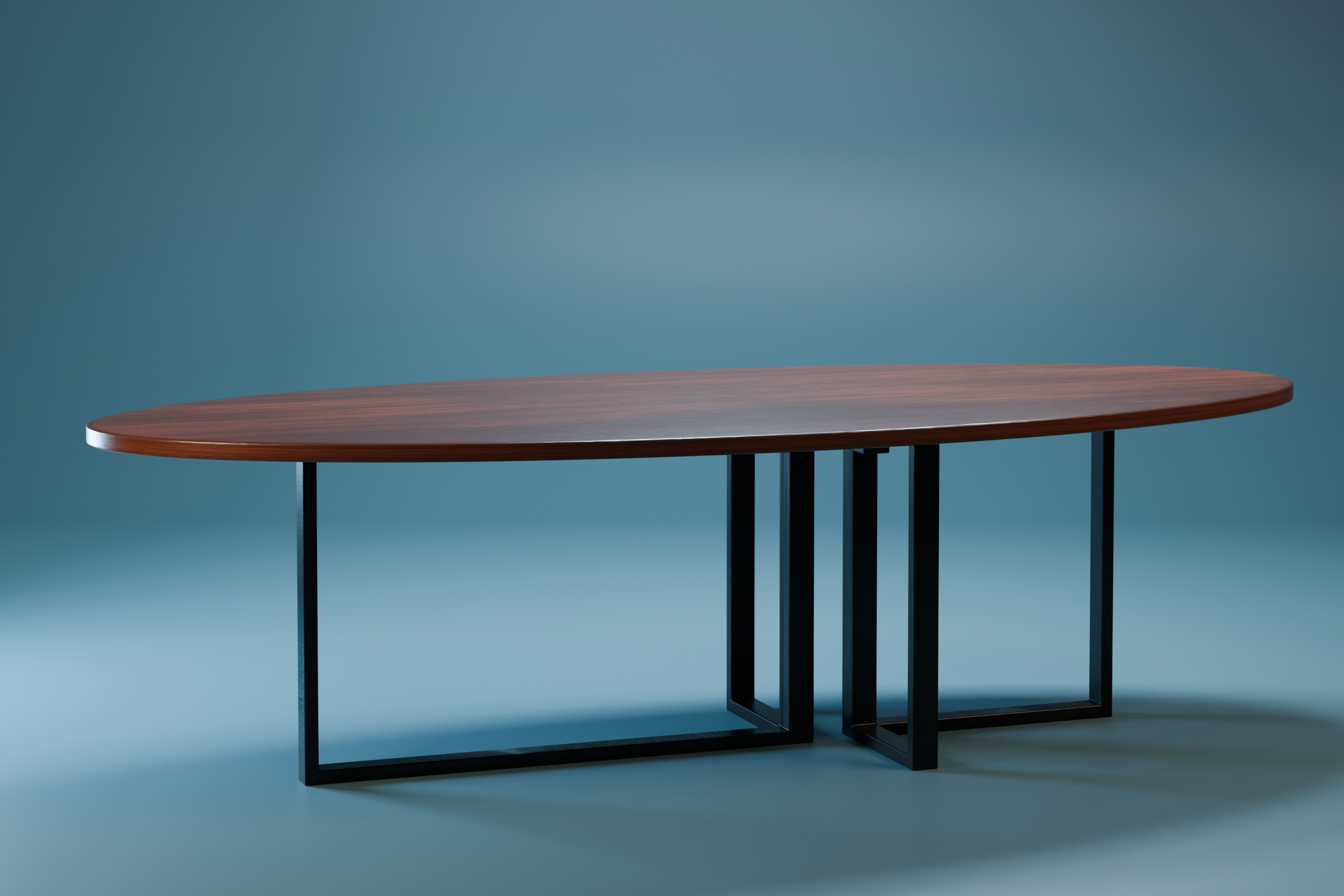
In 2020, I focused on 3D furniture design and refined my skills in hard surface modeling. I paid close attention to clean topology, proportions, and details. Translating real-world objects into digital form became an important part of my work. During this time, I learned to appreciate the balance between technical accuracy and aesthetic clarity.
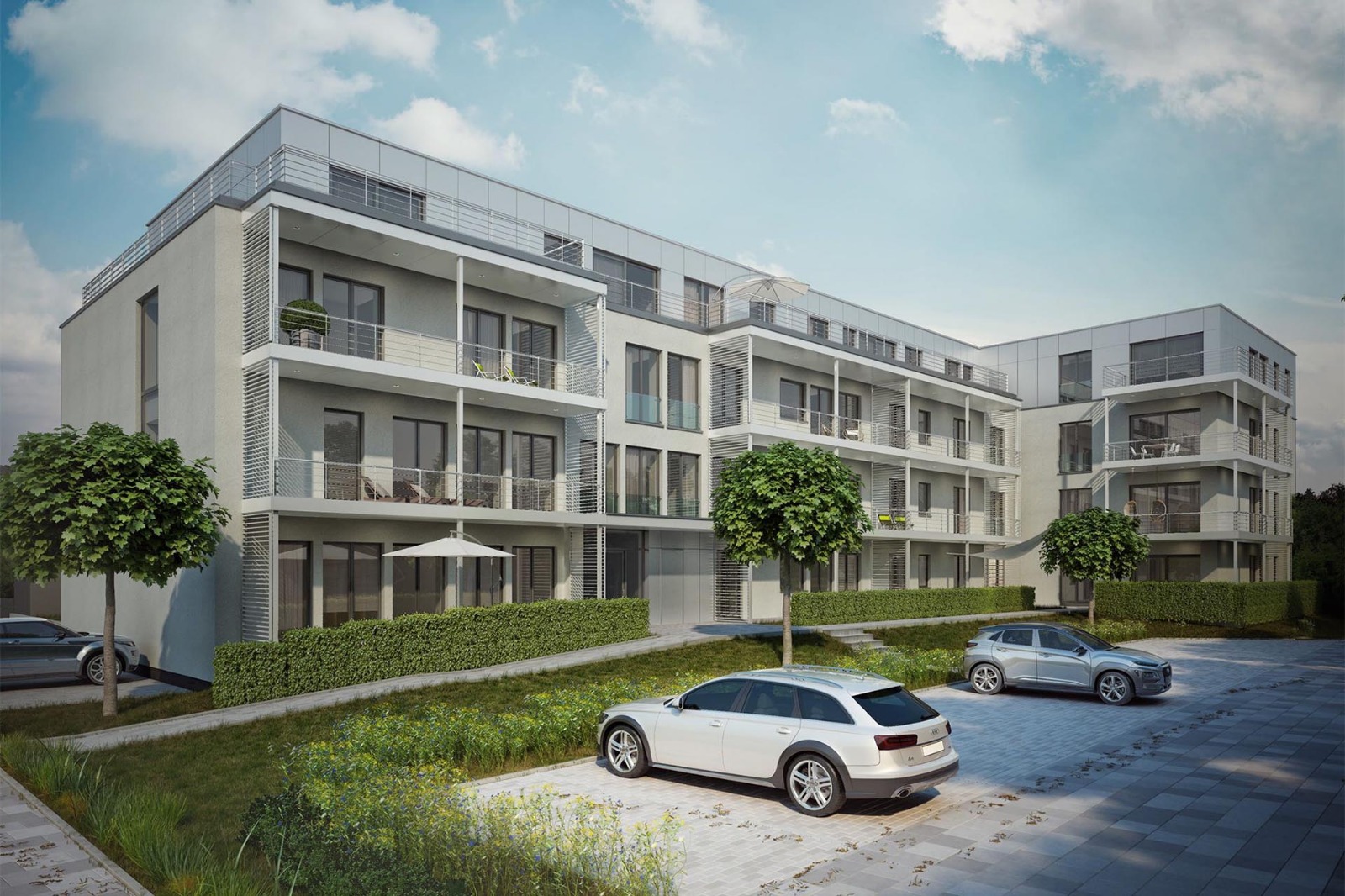
By 2015, architectural visualization had become a central part of my work. Using 3ds Max and V-Ray, I created interior and exterior scenes with a strong focus on light and atmosphere. I began to understand how lighting shapes perception and emotion. My goal was always to create spaces that feel believable and calm, not just visually correct.
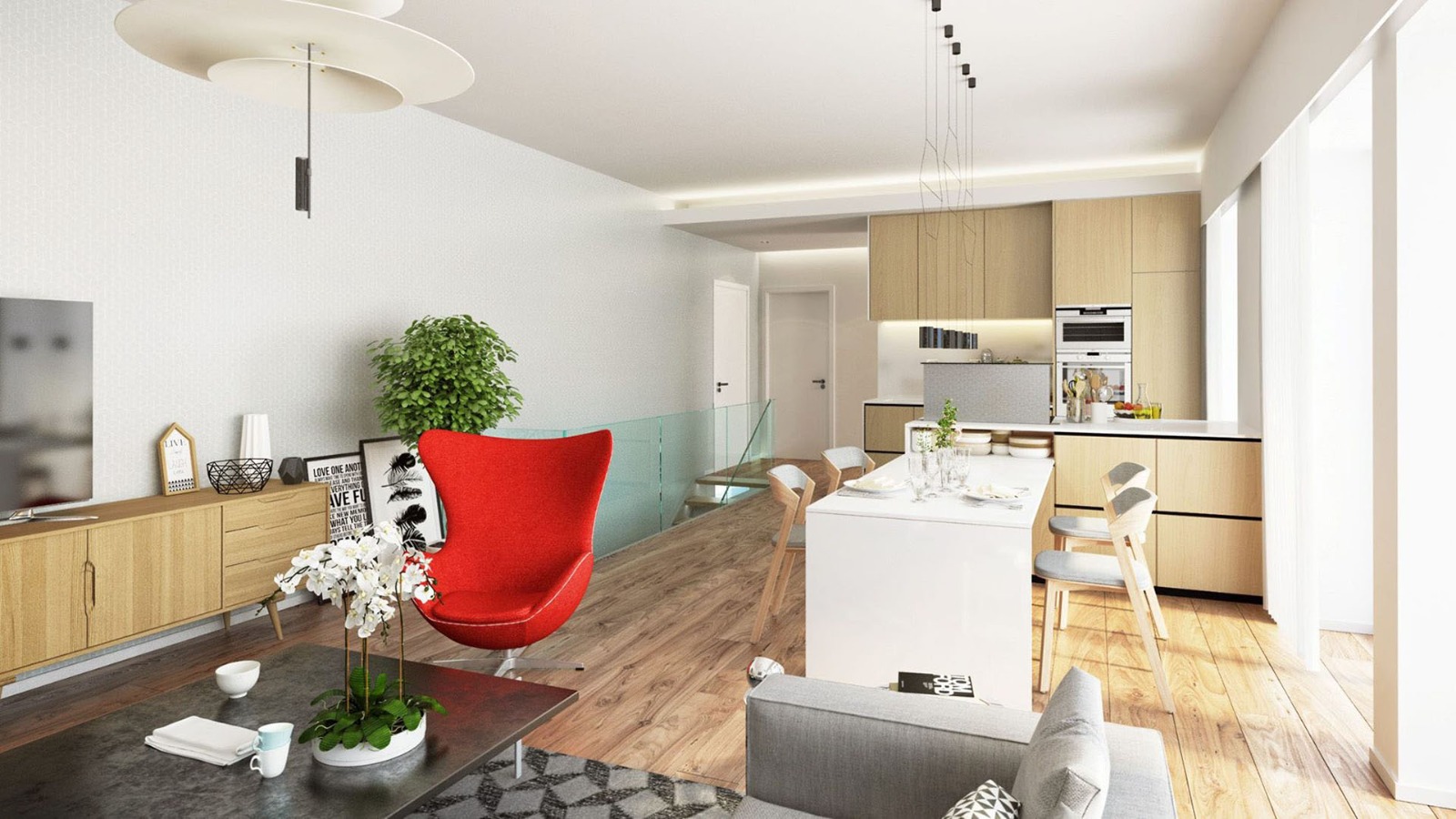
Around 2010, I worked with AutoCAD Architecture alongside 3ds Max and V-Ray. I translated technical drawings into visual environments and developed a deeper understanding of structure and materials. This period helped me connect precise planning with creative visualization. It formed an important foundation for my later work in 3D design.
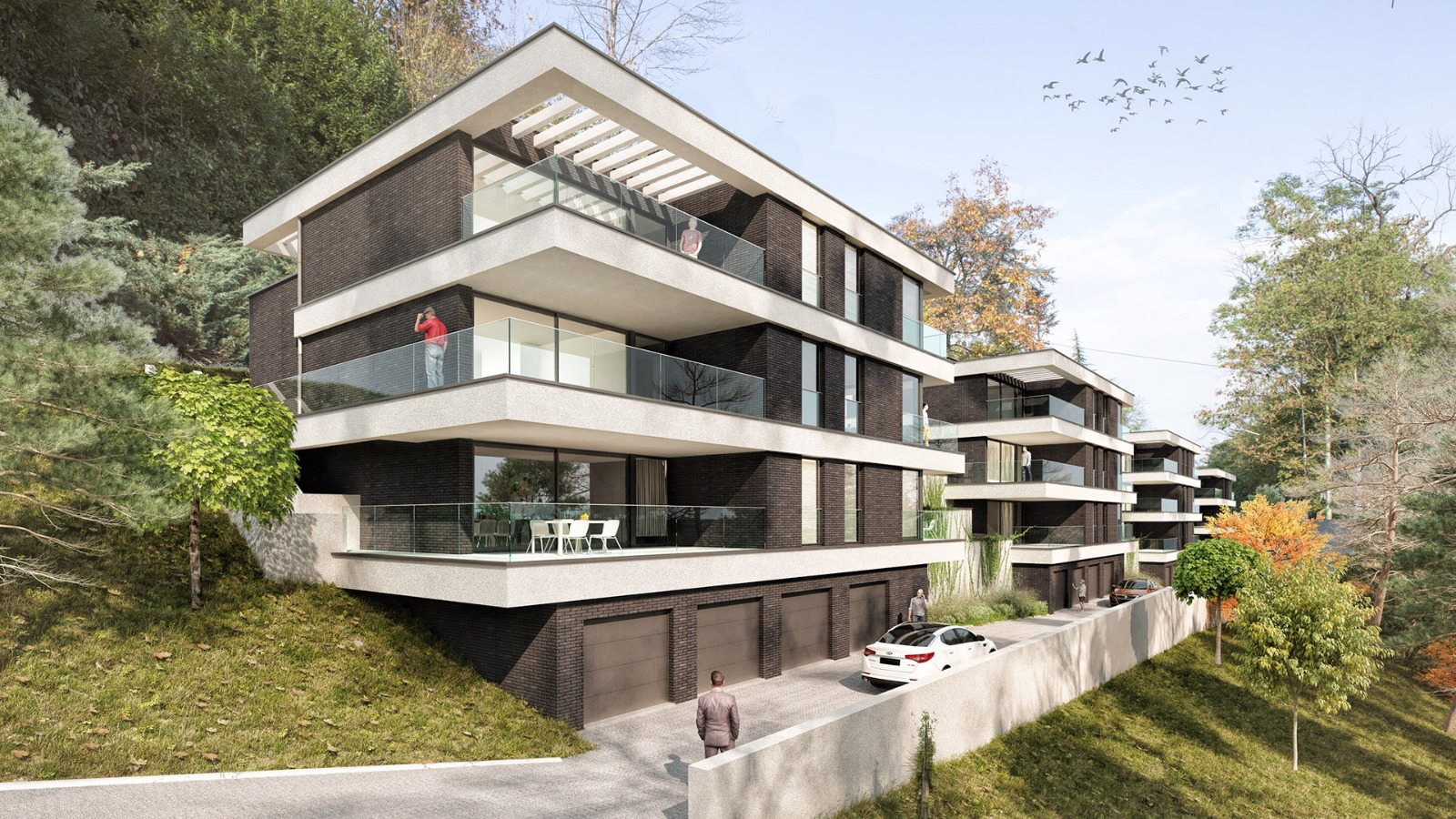
In 2005, I expanded my skills in 3ds Max, V-Ray, and 3D Studio Viz. I learned how different parts of the 3D pipeline come together—from modeling to rendering. It was a time of exploration and continuous learning. Step by step, I built the confidence to work on more complex scenes and deliver consistent results.
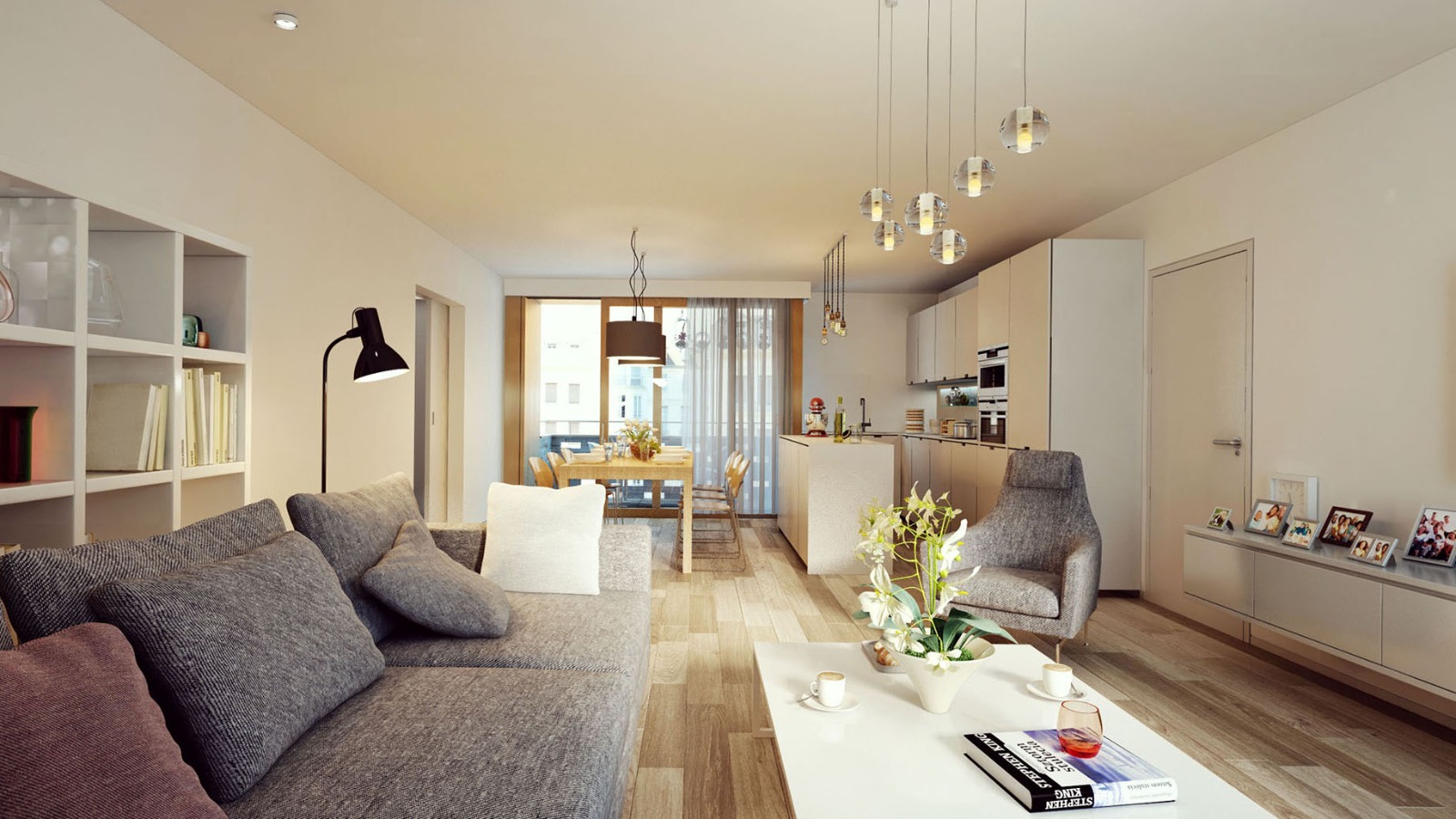
The year 2000 was my entry into the world of 3D with 3D Studio Max on Windows. Everything was new and full of possibilities. I started learning the basics of modeling, lighting, and rendering. What began as curiosity quickly became a long-term passion. This was the beginning of my journey into digital creation.
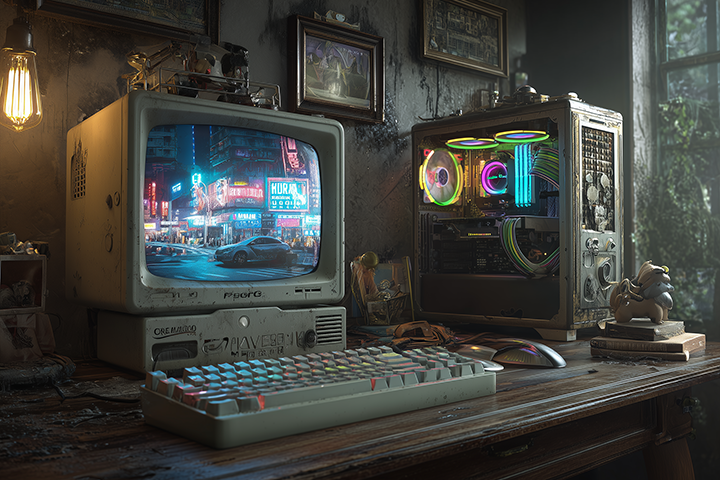
My journey started with construction work using AutoCAD in a DOS environment. The tools were simple, but the work required precision and discipline. I learned to think in structure, proportions, and logic. These early experiences still influence how I approach design today—clear, grounded, and focused on purpose.
The journey began with technical drafting in AutoCAD 12 for DOS, laying the foundation for precise engineering work. This period built a strong understanding of structural planning and technical accuracy. These early skills still shape today’s clean and efficient 3D workflows.